
Propane vs. Natural Gas: Which Is Better for Your Home?
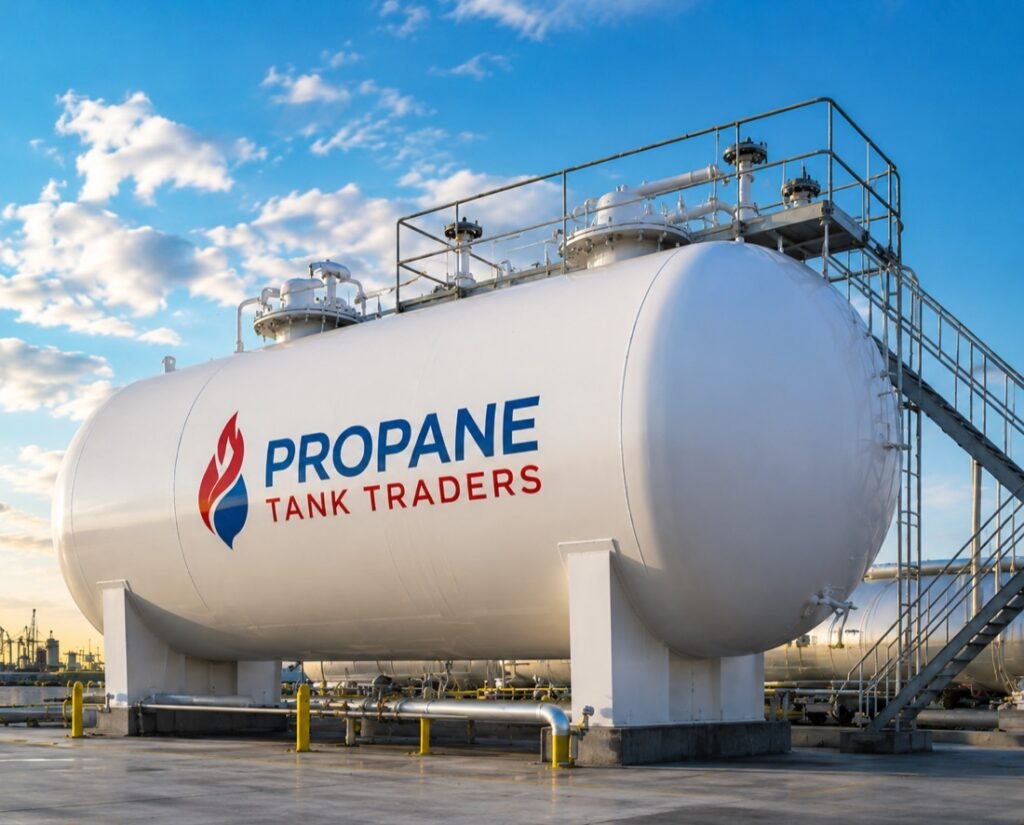
Availability usually decides propane vs. natural gas: no utility main on your street means propane. Because propane carries about 91,500 BTU per gallon and natural gas about 1,030 BTU per cubic foot, never compare price per gallon to price per therm – convert both to dollars per million BTU. Appliances need a conversion kit and orifice change to switch fuels, and only a licensed gas professional should do it. Propane vapor pools low; natural gas rises.
Above Ground vs Underground Propane Tanks: Which Is Right for You?
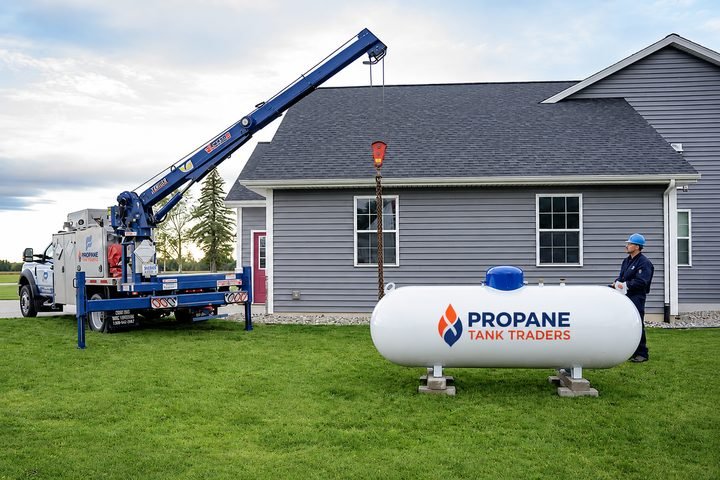
Above ground propane tanks cost less installed, are easy to inspect, and suit sites with flood risk or a high water table. Underground tanks cost more because of excavation, bedding, backfill, and cathodic protection, but they hold vapor pressure better in cold climates and need far less clearance under NFPA 58 in the 501 to 2,000 gallon range. Buried tanks require anode testing every few years. Either way, the AHJ approves placement and a licensed professional does the install.
ASME vs DOT Propane Tanks: What’s the Difference?
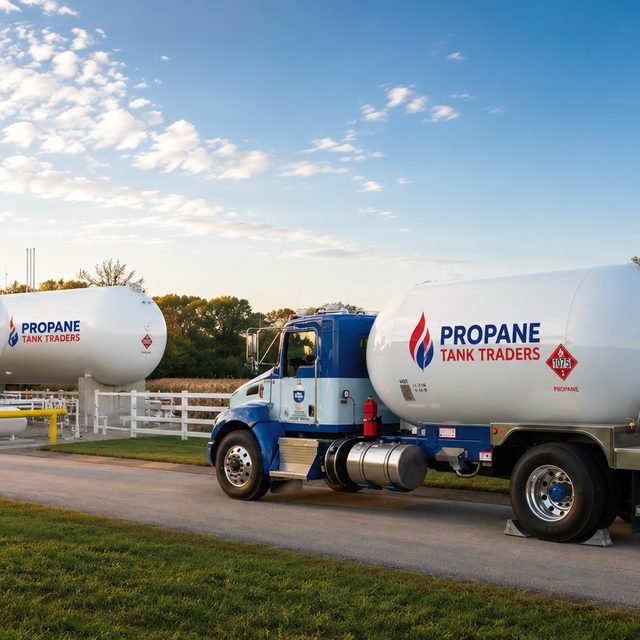
ASME tanks are built to the ASME Boiler & Pressure Vessel Code, Section VIII for permanent installation, and a bulk truck fills them where they sit. DOT cylinders are built under 49 CFR Part 178 to be transported to a filling station, and 49 CFR Part 180 requires requalification 12 years after manufacture, then every 5, 7, or 12 years depending on the method used. ASME tanks have no federal requalification interval. Choose ASME for home heating, generators, and commercial loads; DOT for grills, forklifts, and towable RVs.